

Life at the Edge: How Plants Adapt to Extreme Environments
Wednesday, August 12 at 5:30 p.m. ET
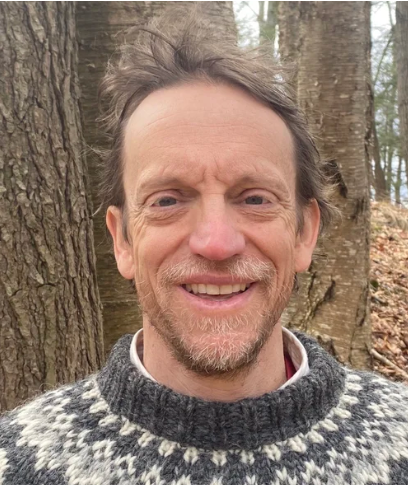
Dr. Doug Van Hoewyk; Instructor, Center for Wildlife Studies
Presentation Summary
Healthy wildlife populations depend on resilient plant communities, yet plants themselves must navigate an astonishing range of environmental stressors. In this Wildlife Wednesday presentation, Dr. Doug Van Hoewyk will explore how plants adapt to extreme environments and what these unique survival strategies mean for broader wildlife conservation. From species that accumulate heavy metals at concentrations lethal to other life forms, to familiar plants like Spanish moss that thrive in nutrient-poor conditions, this talk will dive into the fascinating molecular and physiological mechanisms of plant survival. Understanding these remarkable botanical adaptations not only deepens our appreciation of plant ecology but also reveals how resilient flora can help restore contaminated landscapes, buffer ecosystems against toxic stressors, and safeguard vital habitats for wild animals.
Want to Learn More?
Check out Dr. Van Hoewyk’s course here.
Presenter Bio
Dr. Doug Van Hoewyk is a plant biologist, toxicologist, and educator. His extensive research program investigates how environmental and human-induced stressors disrupt natural ecosystems and how plants adapt at a molecular level to tolerate extreme conditions. Dr. Van Hoewyk spent fifteen years as a professor of plant biology at Coastal Carolina University, where he used physiological approaches to study plant responses to heavy metals and nutrient deprivation. He currently serves as a toxicologist for the Maine Department of Agriculture, assessing and communicating the risks of pesticides to human health and the environment. At the Center for Wildlife Studies, Dr. Van Hoewyk teaches Plant Ecophysiology, bridging fundamental plant ecology with practical conservation applications to show how vital plant health is to sustaining global wildlife populations and healthy ecosystems.