
Decoding Wildlife Behavior to Solve Conservation Challenges
Wednesday, May 13 at 5:30 p.m. ET
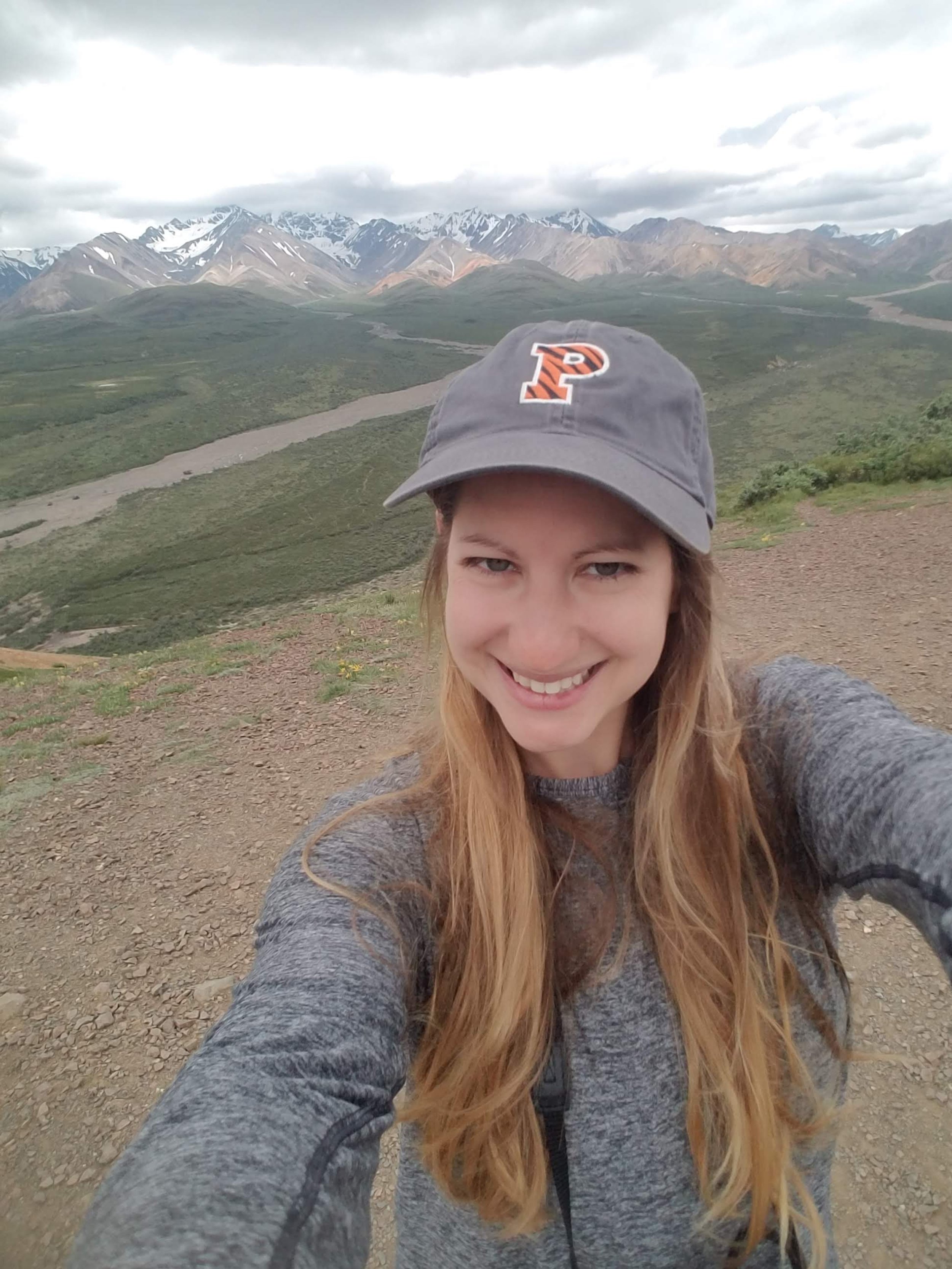
Dr. Stefanie Wilks; Biologist; Instructor, Center for Wildlife Studies
Presentation Summary
Why do animals behave the way they do, and what can their choices tell us about how to better protect them?
In this engaging presentation, Dr. Stefanie Wilks explores how scientists “decode” the everyday decisions animals make. From where wildlife travel and rest to how they respond to people, behavioral analyses can provide critical insights to support conservation decision-making. Using tools such as GPS tracking, camera traps, and field observations, researchers uncover patterns in movement and habitat use that help answer key questions about risks to wildlife, how human activities influence their behavior, and how we can reduce conflicts and support healthy populations.
This session highlights how behavioral insights translate into practical conservation solutions from improving habitat to fostering coexistence between people and wildlife. Whether you’re a wildlife enthusiast or simply curious, this talk offers a clear look at how science turns observation into action in a changing world.
Want to Learn More?
Check out Dr. Wilks’ course here.
Presenter Bio
Stefanie Wilks is a biologist, educator, and science communicator whose work explores how animal behavior can help solve real-world conservation challenges. With a background spanning animal behavior, physiology, and conservation science, she is especially interested in how environmental conditions shape how animals respond to stress—and how those responses influence their survival in a changing world.
Currently a lecturer at Columbia University, Stefanie teaches courses in Animal Behavior, Endocrinology, and Frontiers of Science. She is passionate about making science accessible and engaging for broad audiences, helping people connect cutting-edge research to everyday conservation issues.
Her commitment to education and outreach began with hands-on conservation work in Kenya and has continued through collaborations with organizations like the American Museum of Natural History Center for Biodiversity and Conservation, where she has helped develop training and teaching resources for conservation professionals.
Through her work, Stefanie bridges research and practice to translate scientific insights into tools and ideas that support wildlife conservation and coexistence between people and animals.